Pyntekvister might sound like a mystical term from an ancient language, but it refers to a fascinating and versatile element of home decor that has captured the hearts of many. Whether you’re revamping your living space or simply seeking inspiration for fresh ideas, understanding pyntekvister can open up a world of possibilities. With their unique designs and rich history, these decorative pieces are more than just adornments—they offer functionality and style in equal measure. Join us as we embark on this captivating journey into the realm of pyntekvister, unlocking its secrets along the way!
Unlocking the Mystery: A Deep Dive into Pyntekvister
Pyntekvister has become a buzzword in the world of home decor, yet many people are still unfamiliar with its origins and purpose. Rooted in various cultural traditions, these decorative elements have evolved over time to fit modern aesthetics while retaining their unique charm.
At first glance, pyntekvister may appear simple, but they often carry rich stories that reflect heritage and artistry. Each piece is designed not just for beauty but also functionality—making them versatile additions to any space.
As you explore your options, you’ll discover an array of styles and materials that cater to different tastes. This diversity allows homeowners to express their personality through thoughtful design choices.
Incorporating pyntekvister into your home can transform ordinary spaces into extraordinary ones. With creativity and intention, these pieces can serve as conversation starters or simply elevate the ambiance of your surroundings.
The History and Origins of Pyntekvister
Pyntekvister, a term that might seem unfamiliar to many, has roots steeped in rich cultural traditions. Originating from Scandinavian craftsmanship, these decorative elements reflect a deep appreciation for artistry and nature. Historically, artisans would use local materials to create intricate designs that adorned homes and public spaces.
In the early days, pyntekvister served practical purposes as well as aesthetic ones. They were often used in functional decor items like window frames or furniture pieces. As styles evolved, so did the application of pyntekvister—transitioning into purely ornamental roles that celebrate creativity.
These decorations gained popularity during the 18th century when ornate details became highly sought after in interior design. The unique patterns and shapes not only added charm but also told stories of heritage and community pride.
Today, pyntekvister continue to inspire modern designers who appreciate their historical significance while incorporating contemporary elements. This blend bridges past traditions with present-day aesthetics seamlessly.
The Benefits of Using Pyntekvister in Home Styling
Pyntekvister offers a unique charm that can transform any space. Their intricate designs and vibrant colors add depth and personality to home styling. This distinct aesthetic elevates ordinary decor, making it memorable.
Another benefit is versatility. Pyntekvister can complement various interior styles, from modern minimalism to rustic farmhouse themes. Whether you prefer bold statements or subtle accents, these decorative pieces fit seamlessly into your vision.
Using pyntekvister also encourages creativity. Homeowners often find themselves experimenting with layouts and arrangements when incorporating these elements. This hands-on approach makes the decorating process enjoyable and fulfilling.
Pyntekvister serves as conversation starters for guests. The stories behind their origins or the techniques used in crafting them pique interest and spark discussions about art and culture within your home environment.
Types of Pyntekvister and their Unique Characteristics
Pyntekvister comes in various types, each showcasing distinct characteristics that cater to different tastes. The most common variety features intricate designs and patterns, often inspired by nature or folklore. These detailed motifs can add a touch of whimsy and charm to any space.
Another popular type is the minimalist pyntekvister, which focuses on clean lines and simplicity. This style appeals to modern aesthetics while providing versatility in home decor. Minimalist options are perfect for those who prefer subtle elegance without overwhelming their surroundings.
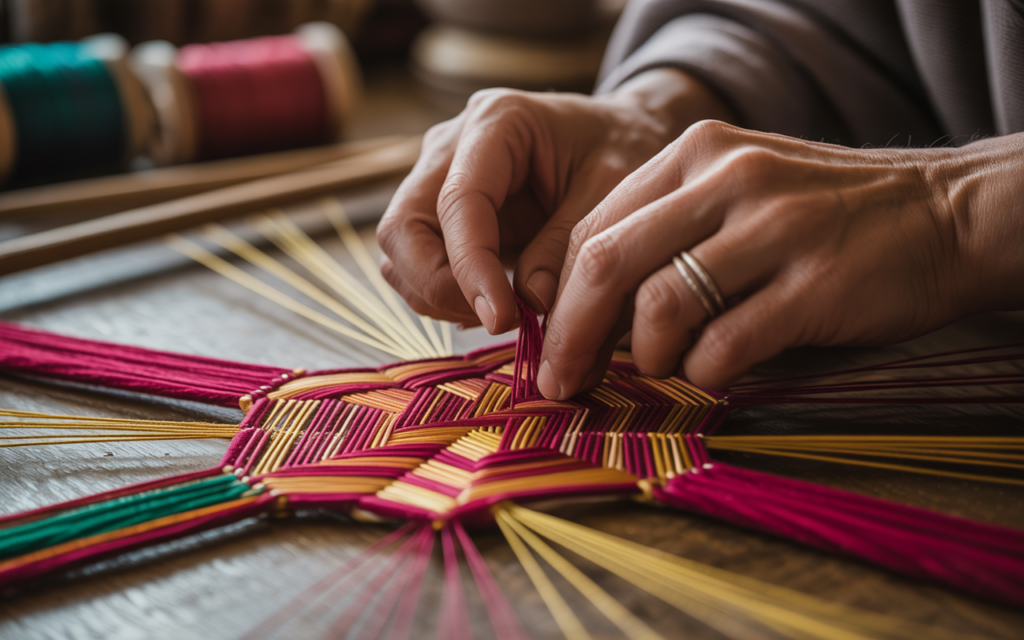
Textured pyntekvister adds depth and dimension to your decor scheme. Often made from materials like woven fabrics or mixed media elements, these pieces draw attention with their tactile qualities. They make great focal points or accents within a room.
Upcycled pyntekvister showcases sustainability at its best. Crafted from reclaimed materials, this type often tells a story of transformation and creativity while offering unique flair that cannot be found elsewhere.
Incorporating Pyntekvister into your Home Decor
Incorporating pyntekvister into your home decor can transform any space. These decorative elements offer a unique charm that enhances your overall aesthetic. Start by selecting a focal point in the room, such as a mantelpiece or an accent wall.
Display pyntekvister alongside other decor items for visual interest. You can mix and match different styles to create depth and texture within the space. Consider utilizing them in unexpected ways, like as part of table centerpieces or hanging from ceiling fixtures.
Don’t hesitate to play with colors and patterns when incorporating these pieces. A vibrant pyntekvister can serve as a statement piece, drawing attention and sparking conversation among guests.
Think about layering! Combining various sizes of pyntekvister adds dimension while allowing each piece’s individuality to shine through effortlessly.
DIY ideas for using Pyntekvister in Home Decor
Transforming your space with pyntekvister can be a fun and creative challenge. One popular DIY idea is to use small pieces of pyntekvister as unique wall art. Arrange them in geometric patterns or create a playful collage that reflects your personality. The textures and colors can add depth to any room.
Another great way to incorporate pyntekvister is through upcycled furniture projects. Consider applying these decorative elements onto chair backs or tabletops for an eye-catching makeover. This not only refreshes the furniture but also adds character to your home.
If you’re looking for something simple yet effective, try creating custom coasters using pyntekvister scraps. Glue them onto cork bases and seal with varnish for a functional piece that showcases this versatile material.
For outdoor spaces, think about crafting garden markers from larger pieces of pyntekvister. Paint the names of herbs or plants on each marker, blending functionality with style while enhancing your garden’s aesthetic appeal.
Tips for Maintaining and Caring for Decorations
Maintaining and caring for your pyntekvister decorations is essential to preserve their beauty and longevity. Regular dusting helps keep them looking fresh. Use a soft, dry cloth to gently wipe away any accumulated dust. For stubborn stains or dirt, consider using a damp cloth but ensure it’s not overly wet.
Place your pyntekvister in areas that avoid direct sunlight, which can fade colors over time. If you have decorative pieces made of delicate materials, be cautious about their positioning near high-traffic areas where they might get knocked over.
For wooden pyntekvister, applying a furniture polish occasionally can enhance the finish and protect against scratches. Fabrics may require spot cleaning or professional cleaning depending on their material type. Always follow care instructions if available.
Store seasonal or less frequently used items in protective boxes when not displayed to prevent damage from moisture or pests. With proper care, your pyntekvister will continue to add charm and warmth to your home for years ahead.